

Maintaining trees on your property requires more than occasional watering or casual observation. Overgrown branches, diseased limbs, and other issues can pose significant risks to your property and its inhabitants. Hiring a professional tree service offers multiple advantages that go beyond basic maintenance. Below are three key reasons to consider professional assistance for your tree care needs.
1. Expertise and Knowledge
- Diagnose Tree Problems: Professionals can identify signs of pest infestations, diseases, or structural weaknesses that may not be visible to the untrained eye.
- Offer Tailored Solutions: Depending on the species of the tree and its condition, they provide customized care plans that promote long-term health.
- Handle Complex Situations: Trees near power lines or buildings require precision care that professionals are equipped to handle safely.
Their expertise ensures every step taken is informed by science and best practices—something DIY care cannot guarantee.
2. Safety for You and Your Property
- They use specialized tools such as cranes and harnesses designed for safe tree trimming or removal.
- Trained crews minimize damage by carefully dismantling large branches or entire trees.
- Liability insurance provided by reputable services protects homeowners from financial responsibility in case of damage or accidents during work.
By opting for a professional service, you reduce hazards while safeguarding your home, family, and surrounding structures.
3. Enhanced Curb Appeal and Property Value
- Shaping Trees Properly: Strategic pruning enhances symmetry and encourages healthy growth.
- Removing Unsightly Elements: Dead branches or overgrown limbs are eliminated for a cleaner appearance.
- Encouraging Longevity: Regular maintenance ensures trees remain vibrant fixtures on your property for years.
Investing in professional care protects not only your property’s visual appeal but also its market value if you’re considering resale in the future.
Key Benefits of Hiring an Arborist in Palm Bay FL for Professional Tree Services
| Benefit | Description |
| Expert Knowledge | Accurate diagnosis of issues; tailored solutions based on specific needs |
| Safety | Reduced risk of injury; protection from liability |
| Improved Aesthetics | Proper pruning shapes trees beautifully; boosts curb appeal |
| Long-Term Health | Practices encourage healthier growth; prevent premature death |
By entrusting tree care tasks to certified professionals, you ensure safer processes with better outcomes—enhancing both the beauty and security of your property while fostering healthy trees over time.
The Best Time for Palm Bay Tree Service and Its Benefits
Tree trimming is a vital part of maintaining the health, safety, and appearance of your trees. Many homeowners may overlook the importance of timing when it comes to pruning and trimming their trees. However, choosing the right time of year can significantly enhance the benefits of this process. Below, we dive into why timing matters and how tree trimming benefits your property.
The Best Time for Tree Pruning Service in Palm Bay FL
- Late Winter/Early Spring: This is often recommended as the best time for most tree species because they are in a dormant state. Pruning during dormancy minimizes stress on the tree and allows new growth to emerge in spring.
- Post-Bloom Period: For flowering trees, it’s best to prune them after their blooming period has ended to avoid removing buds or disrupting their natural cycle.
- Fall/Winter Avoidance: While it may be tempting to trim during fall (as leaves fall), this can make trees prone to disease since fungi spread more easily during wet seasons.
Essential Tips for Tree Removal Palm Bay FL Residents Should Know
1. Improved Tree Health
- Removing dead or diseased branches helps prevent decay from spreading further into the tree.
- Promotes better air circulation within dense foliage.
- Encourages strong structural growth by eliminating weak or competing branches.
2. Enhanced Aesthetic Appeal
- Regular trimming improves symmetry and maintains an attractive shape.
- Helps flowering trees focus energy on producing vibrant flowers rather than maintaining overgrown limbs.
3. Increased Safety
- Eliminates hazardous branches that could fall during high winds or storms.
- Clears limbs growing too close to structures like homes or power lines.
4. Boosted Fruit and Flower Production
- For fruit-bearing or ornamental trees, pruning encourages more abundant fruiting and blooming in future growth cycles.
Tips for Effective Tree Trimming
To get the most out of your tree-trimming efforts:
– Use clean, sharp tools to prevent damage or spread of disease. – Focus on cutting at branch collars (the swollen area where a branch meets the trunk) to ensure proper healing. – Avoid excessive pruning in one session; removing too much foliage can shock a tree’s system.
| Season | Suitable for Pruning? | Notes |
| Late Winter | ✅ Yes | Ideal for most species; promotes healthy spring growth |
| Early Spring | ✅ Yes | Appropriate before buds fully form |
| Summer | ⚠️ Sometimes | May help thin dense trees but risks stressing heat-sensitive species |
| Fall | ❌ No | Increases vulnerability to diseases due to damp weather |
Why Hiring Professionals Makes Sense
While some homeowners may attempt DIY trimming, it’s often safer and more effective to hire professional arborists who understand timing intricacies across different species and climates. They have specialized equipment, knowledge about best practices, and experience handling challenging scenarios like high branches or diseased limbs—ensuring optimal results without unnecessary risks.
Keeping up with regular tree care not only enhances property value but also prevents potential hazards down the road when done correctly at key times throughout the year.
The Best Time of Year for Tree Trimming and the Benefits It Brings
Proper tree care is essential for maintaining healthy and beautiful landscapes. Tree trimming, in particular, plays a crucial role in promoting growth, preventing potential hazards, and enhancing the overall aesthetics of your property. While trimming can be performed year-round, understanding the best time to prune your trees can maximize its benefits and support healthy growth. Below is a detailed overview of why timing matters and the advantages that come with effective tree trimming.
Ideal Time of Year for Tree Trimming
- Trees are generally best pruned during their dormant season, when they are not actively growing. This usually falls between late fall and early spring.
- Pruning during dormancy minimizes stress on the tree and reduces the risk of diseases or pests entering through fresh cuts.
- For deciduous trees, pruning is easier when leaves have fallen, providing better visibility of branches.
- During this period, trees use substantial energy to produce new leaves and shoots. Trimming at this time can limit their energy reserves.
- Additionally, pruning during active growth increases sap flow, which could attract insects or lead to potential infections.
- Any branch that poses an immediate safety threat should be trimmed regardless of the season.
- Deadwood removal is also not dependent on timing since there’s no risk to tree health.
Benefits of Proper Timing in Tree Trimming
- Encourages Healthy Growth
Pruning during dormancy directs the plant’s stored energy into developing stronger branches once growth resumes. This results in a robust structure with healthier foliage. - Improves Safety
Removing unstable or overhanging branches before storms prevents potential damage to property or injury to individuals. - Enhances Aesthetic Appeal
Regular trimming helps maintain a well-shaped canopy that complements your landscape design. - Prevents Disease Spread
Timing cuts correctly reduces exposure to pests or fungal infections that thrive in warmer months when trees are more vulnerable. - Boosts Flowering & Fruit Production
For flowering species, pruning after blooming encourages better flower or fruit yields in subsequent cycles.
Tips for Effective Tree Trimming
- Use clean, sharp tools to make precise cuts that heal quickly.
- Target weak or crossing branches while preserving strong structural limbs.
- Avoid over-pruning; removing too much foliage can weaken a tree’s ability to photosynthesize effectively.
- Hire certified arborists for advanced pruning needs like crown thinning or large branch removal.
| Season | Recommended Actions |
| Winter | Dormant pruning; structural shaping |
| Spring | Light cleanup; avoid heavy cuts |
| Summer | Remove deadwood; manage fast-growing shoots |
| Fall | Assess storm damage; prepare trees for winter |
Tree trimming may seem straightforward but requires careful planning and execution tailored to each season and species. By prioritizing proper timing and techniques, you can ensure vibrant growth while safeguarding both your property’s beauty and safety long-term.
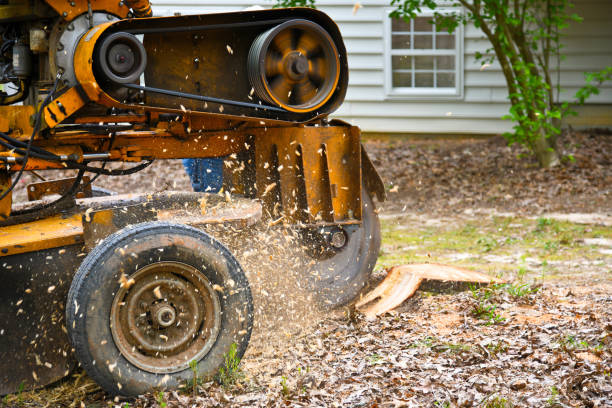
How to Identify When a Tree Needs Removal to Protect Your Yard
Knowing when a tree needs to be removed is essential for maintaining the safety, health, and overall appearance of your property. Trees can add immense value and beauty to your yard, but when they become hazardous or unhealthy, removal may be the best course of action. Below are key signs and considerations to determine when a tree should be removed from your yard.
Signs a Tree Might Need Removal
- Dead branches throughout the canopy
- Fungi growth, such as mushrooms, at the base of the trunk
- Cracks or cavities in the trunk
- Discolored or brittle leaves outside their normal seasonal changes
- A leaning tree that appears unstable or has shifted position suddenly
- Exposed roots indicating shallow anchoring in the soil
- Deep cracks along large limbs or multiple trunks splitting apart
- Damage caused by construction or landscaping nearby can weaken root systems.
- Heaving soil around the base of the tree can be an early sign of root failure.
- Pests & Infestations
Pests like borers, termites, or ants can cause severe structural damage:- Holes in bark caused by boring insects
- Sawdust-like residue near holes (frass)
- Visible nests on or near branches
- Nearby Hazards & Risks
If a tree is growing too close to buildings, power lines, or other structures, it poses a significant risk:- Branches interfering with overhead electrical lines
- Roots damaging foundations, sidewalks, or plumbing systems
Benefits of Proactive Tree Removal
- Enhance Safety: Removing damaged trees reduces the risk of falling branches causing injury or property damage during storms.
- Prevent Spread of Disease: Sick trees can spread infections like fungal diseases to surrounding healthy vegetation.
- Optimize Yard Space: Removing dead or overcrowded trees allows sunlight and nutrients for other plants to thrive.
When Professional Assessment is Needed
| Scenario | Arborist Recommendation | Alternate Solution Possible? |
| Tree shows minor signs of disease | Pruning & treatment | Yes |
| Severe structural instability due to leaning | Immediate removal advised | Rarely |
| Root damage affecting nearby foundation | Aggressive evaluation/removal needed | No |
Preventative Maintenance Is Key
- Schedule annual inspections with certified arborists.
- Regularly prune and trim trees for balanced growth.
- Keep an eye out for early warning signs during routine yard work.
By staying vigilant about your trees’ health and structure – and addressing issues promptly – you’ll ensure both safety and beauty in your outdoor space over time.
The Hidden Dangers of DIY Tree Cutting and Why Experts Are Essential
Tree cutting may seem like a manageable task for a property owner with basic tools, yet it is far more complex and hazardous than it appears. While the idea of saving money by tackling the job yourself might be appealing, the risks involved—including physical safety, property damage, and improper tree care—can outweigh any perceived benefits. Understanding these hidden dangers can help homeowners make informed decisions about when to call in professional tree services.
Safety Risks Associated with DIY Tree Cutting
- Falling Branches and Trees: Without proper planning or knowledge of tree physics, branches can fall unpredictably. A miscalculated cut could result in serious injury or even fatalities.
- Improper Use of Equipment: Chainsaws, ladders, and other tools required for tree cutting demand specific skills to operate safely. Improper use can lead to accidents such as deep cuts or falls.
- Unstable Work Conditions: Working at heights on uneven surfaces makes ladder use or climbing a tree particularly dangerous.
Statistics show that thousands of individuals are injured yearly due to attempting DIY tree removal projects.
Potential for Property Damage
- Damage from Falling Trees: Incorrect cutting techniques can cause trees to fall in unintended directions, smashing roofs, fences, vehicles, or power lines.
- Root System Mismanagement: Cutting a tree near structures without understanding its root system may damage foundations or underground utilities.
Professional arborists have the expertise and tools necessary to mitigate these risks while protecting your property.
Inadequate Knowledge of Tree Health
- Improper Pruning Techniques: Removing too many branches or making improper cuts can weaken a tree structurally and make it more susceptible to disease.
- Failure to Address Diseases Properly: An untrained individual might not recognize signs of decay or pest infestations that require specialized treatment.
Certified professionals ensure that trees are trimmed in ways that promote healthy growth while addressing potential underlying issues.
Advantages of Hiring Professional Tree Services
| DIY Tree Cutting Risks | Professional Service Benefits |
| High risk of personal injury | Trained experts follow strict safety protocols |
| Greater likelihood of property damage | Professionals use advanced tools and techniques |
| Lack of knowledge about tree health | Certified arborists focus on preservation |
Hiring professionals ensures not only safety but also proper care for your landscape investments.
Final Thoughts on Choosing Expertise Over DIY
While attempting DIY projects like tree cutting may seem like an opportunity to save money upfront, the hidden dangers—including severe injuries and costly damages—make professional services a far safer option. Qualified arborists bring essential expertise and equipment that prevent unnecessary hazards while ensuring optimal results for your property’s natural environment.
The Do’s and Don’ts of Proper Tree Pruning for Healthy Growth
Tree pruning is an essential practice for maintaining the health, structure, and appearance of trees. When done correctly, it promotes growth, prevents damage, and ensures safety. However, improper pruning techniques can harm trees or even lead to their decline. Below is a detailed guide on the do’s and don’ts of proper tree pruning to help you make informed decisions.
The Do’s of Proper Tree Pruning
- Use the Right Tools
Having the correct tools is critical for effective pruning. Invest in high-quality equipment such as: - Pruning shears: Ideal for small branches and twigs.
- Loppers: Best suited for medium-sized branches up to 2 inches thick.
- Pruning saw: Necessary for larger branches or tough cuts.
- Pole pruners: Helpful for reaching high branches without climbing.
- Prune During the Right Season
Timing matters when it comes to pruning: - Late winter or early spring is usually ideal because trees are dormant, minimizing stress and preventing pests from invading fresh cuts.
- Avoid heavy pruning during active growth periods unless removing deadwood or hazardous limbs.
- Focus on Dead or Diseased Branches First
Removing dead, broken, or diseased branches should be your top priority to maintain tree health: - Deadwood removal improves airflow and reduces the risk of pests.
- Inspect limbs carefully before cutting.
- Make Clean Cuts
Always create smooth cuts rather than ragged ones: - Cut just outside the branch collar (the swollen area where a branch meets the trunk).
- Avoid leaving stubs that may encourage decay or disease.
- Prune Strategically to Shape Growth
Pruning can help direct growth patterns:- Thin out overcrowded areas to allow sunlight penetration.
- Eliminate crossing branches that might rub against one another over time.
The Don’ts of Proper Tree Pruning
- Don’t Over-Prune
Over-pruning can stress a tree and inhibit its ability to produce food through photosynthesis: - Never remove more than 25% of a tree’s canopy in one season.
- Excessive limb removal can leave trees vulnerable to diseases or structural instability.
- Don’t Top Trees
Topping (cutting off large sections at the crown) weakens trees significantly:- It interferes with natural growth patterns.
- New shoots that develop after topping are weaker and more susceptible to breakage.
- Avoid Using Dull Tools
Dull tools crush rather than cut cleanly:- This increases the risk of damaging bark layers.
- Always sharpen your blades before beginning any pruning work.
- Don’t Ignore Safety Precautions
Safety should always come first when pruning large trees:- Avoid climbing without proper training or equipment.
- If a branch hangs near power lines, call professionals instead of attempting removal yourself.
- Avoid Heavy Pruning During Fall
Although some minor adjustments are fine during autumn, heavy trimming is discouraged:- Cuts made in this season heal slowly due to reduced tree activity.
- Open wounds may attract fungi or pests as temperatures drop.
A Quick Guide: Dos vs Don’ts Comparison Table
| Dos | Don’ts |
| Use sharp tools for clean cuts | Use dull tools that crush plant tissue |
| Focus on removing dead/damaged branches | Remove more than 25% of foliage |
| Time pruning during dormancy (late winter) | Perform heavy cuts during active growth/fall |
| Cut near but not into branch collars | Leave stubs or improperly placed wounds |
By adhering to these best practices while avoiding common mistakes, you ensure your trees remain healthy and robust over time while contributing positively to your landscape’s overall aesthetic appeal and ecological balance. For complex projects beyond basic maintenance, consider consulting with certified arborists who bring expertise in advanced tree care techniques tailored specifically to your property’s needs.
- Essential Tree Care Tips from a Trusted Arborist in Palm Bay FL
- When to Call Palm Bay Tree Service: Recognizing Warning Signs for Tree Health and Safety
- Top Reasons to Hire a Tree Removal Company Palm Bay FL for Your Property
- Expert Palm Bay Tree Service: Benefits of Hiring Professionals for Tree Care
- How to Choose the Best Tree Removal Company Palm Bay FL for Safety and Property Value
- Understanding the Role of a Tree Removal Company in Palm Bay FL: Basics and Importance of Professional Tree Services
- How Hiring a Tree Removal Company Palm Bay FL Can Protect Your Property from Damage
- How Palm Bay Tree Service Can Ensure Property Safety Through Tree Removal
- How to Choose the Best Tree Removal Company Palm Bay FL for Your Property’s Health and Safety