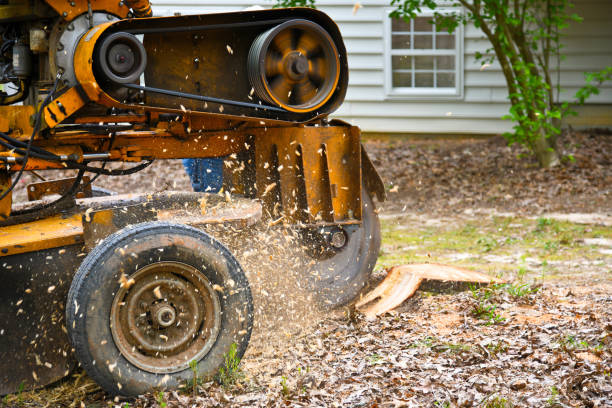
Proper tree care plays a critical role in maintaining the safety, aesthetics, and longevity of your property. While trees provide shade, improve air quality, and enhance curb appeal, they can become liabilities if neglected. Taking essential steps to care for your trees ensures that they remain healthy and safe for years to come.
Benefits of Proactive Tree Care
Proactively caring for your trees offers several benefits:
– Protecting property value: Healthy and well-maintained trees significantly enhance the overall value of a property.
– Preventing hazards: Routine care reduces the risk of falling branches or toppling trees during storms or high winds.
– Promoting tree health: Regular inspections help identify diseases or infestations early, ensuring proper treatment.
– Environmental impact: Healthy trees improve local ecosystems by supporting wildlife habitats and contributing to cleaner air.
Essential Steps for Tree Care
- Schedule routine inspections at least once a year.
- Look for signs of decay, cracks in the trunk, fungal growth near the roots, or pest infestations.
- Check for deadwood (dry branches that are brittle and could easily break).
- Trim dead branches to prevent them from falling unexpectedly.
- Promote balanced growth by removing overgrown sections that may weigh down the tree.
- Avoid over-pruning as it can weaken the tree’s ability to grow properly.
- Test soil pH levels regularly to ensure optimal nutrient availability.
- Consider adding fertilizers specifically designed for trees if nutrients are insufficient.
- Use protective barriers if your property has foot traffic near young or vulnerable trees.
- Avoid parking vehicles under fragile limbs that may be prone to breakage.
When Professional Help Is Necessary
Although many aspects of tree care can be handled independently, certain situations require professional assistance: – Trees showing advanced signs of decay or disease (e. g. , hollow trunks).
– Large branches hanging dangerously close to power lines or structures. – Diseased areas spreading despite home remedies or basic pruning efforts. – Leaning trees with exposed roots that might indicate structural instability.
Long-Term Planning
In addition to immediate steps, developing a long-term plan ensures sustainable care: | Timeframe | Tasks | |——————–|———————————————————————–| | Monthly | Visual inspections; check for pests or damage caused by weather | | Growing season | Fertilizing based on soil analysis; monitor new growth patterns | | Annually | Pruning deadwood; professional assessment if needed | | After storms | Remove fallen limbs promptly; inspect visible root systems |
By following these essential steps regularly, homeowners can protect their properties effectively while fostering an environment in which their trees thrive peacefully alongside other landscape features.
Important Steps for Palm Bay Tree Service to Ensure Safety Before a Storm
Proper preparation is crucial to ensure the safety of your property, loved ones, and surrounding environment before severe weather strikes. Storms can cause significant damage to trees, potentially leading to falling branches or uprooted trees that can harm structures and people. By following these steps, you can reduce risks and enhance your tree safety strategy.
Regular Tree Inspections with a Tree Pruning Service in Palm Bay FL
Regular tree inspections are essential for identifying potential issues before a storm occurs.
- Dead or Dying Branches: Look for branches that appear dry, brittle, or have no leaves during the growing season.
- Cracks in Trunks or Branches: Visible fractures could weaken structural integrity.
- Leaning Trees: A tree leaning more than usual may indicate root instability.
- Hollow or Decayed Sections: Areas of rot within the trunk or roots can lead to collapse.
If you’re unsure about your observations, consult a certified arborist for professional guidance.
Professional Tree Removal Palm Bay FL: Prune and Trim Experts
Michael’s Tree Service
1232 Dawn St NE, Palm Bay, FL 32905
Pruning helps maintain a healthy structure and reduces the risk of falling limbs during storms.
- Removing deadwood and broken branches.
- Thinning out dense canopies to allow wind to pass through more easily.
- Cutting back overhanging limbs near power lines, roofs, or windows.
Proper pruning techniques will promote long-term health while minimizing storm hazards.
Some trees may be prone to uprooting in high winds due to weak root systems or poor soil conditions.
- Inspecting roots for signs of decay or damage.
- Watering deeply but infrequently to encourage deep root growth.
- Avoiding over-fertilizing, which can encourage weak growth.
For large trees with stability concerns, cabling or bracing might be necessary with professional assistance.
| Task | Why It’s Important |
| Remove debris around trunks | Prevents projectiles during strong winds. |
| Secure outdoor furniture | Keeps heavy objects from damaging tree bark. |
| Keep gutters clear | Reduces water pooling near tree roots. |
Maintaining a clean yard helps reduce additional risks caused by flying debris during storms.
- Plant shrubs or smaller trees strategically around larger specimens.
- Use fences as barriers against high-speed wind gusts.
Windbreaks absorb wind force and minimize direct impact on mature trees during extreme weather conditions.
Not all tree issues can be managed without expertise.
- A large branch hangs dangerously over your home or roadway.
- A tree shows signs of serious disease or pest infestation.
- You’re unsure how much pruning is safe without harming the tree’s health.
Certified professionals have specialized tools and knowledge to address hazards safely and effectively.
By taking these precautions before storm season begins, homeowners can mitigate risks posed by their landscape while protecting their property from potential storm-related damage.
Steps to Take for Tree Safety Before a Storm Strikes
Preparing your trees before a storm is crucial to minimize damage and ensure the safety of your property. Strong winds, heavy rains, and lightning can turn even healthy trees into hazards if proper precautions aren’t taken. By following these steps, you can safeguard your home and property while promoting the health of your trees.
Inspect Your Trees Regularly
Routine inspections are essential to identify potential risks before a storm hits.
- Dead or Dying Branches: These are more likely to break during high winds.
- Cracks in the Trunk or Main Limbs: Structural weaknesses can lead to tree failure during storms.
- Leaning Trees: A sudden tilt could indicate root damage or instability.
- Overhanging Branches: Large branches hanging over your home or power lines pose significant risks.
If you notice any of these signs, it’s wise to consult a certified arborist for a professional evaluation and recommendations.
Prune and Trim Strategically
Proper pruning minimizes the risk of falling branches while enhancing tree structure.
- Remove dead limbs and weak branches that could snap under pressure.
- Thin out dense canopies so that wind can pass through more easily, reducing stress on the tree.
- Cut back limbs that grow too close to structures like roofs, windows, or power lines.
Be cautious when pruning around power lines. Always hire professionals for tasks that involve electrical hazards.
Mulch Around Tree Bases
Applying mulch around the base of your trees helps retain moisture and protect roots during extreme weather events.
| Step | Details |
| Mulch type | Use organic materials such as wood chips or shredded bark. |
| Depth | Apply mulch 2–4 inches deep for optimal protection without smothering roots. |
| Placement | Keep mulch about 2–3 inches away from the trunk to prevent rot or pests. |
Proper mulching also strengthens root systems, enabling trees to better withstand stress caused by storms.
Assess Root Health
Roots anchor trees firmly in the ground and provide necessary nutrients. Weak roots often result in fallen trees during adverse weather conditions.
- Exposed roots due to soil erosion.
- Fungal growth around root zones.
- Compacted soil preventing proper water flow and aeration.
If you detect root-related problems, consider aerating compacted soil or consulting an arborist about stabilization techniques.
Secure Young Trees
Young saplings are particularly vulnerable during storms due to their smaller size and less developed root systems. Stabilize them with stakes tied loosely using soft ties, allowing some movement for natural growth while providing support against strong winds.
Avoid Overwatering Before Storms
Excess moisture can weaken soil structure around root zones, increasing the likelihood of uprooting during high winds. Reduce irrigation schedules as a storm approaches if heavy rainfall is expected.
When Professional Help Is Necessary
For large-scale tree care needs like removing hazardous limbs near power lines or addressing significant structural concerns, hiring licensed professionals is highly recommended. They have specialized tools and expertise to handle dangerous situations safely.
By taking these proactive measures well ahead of severe weather events, you enhance both tree health and property safety while reducing potential risks associated with storm damage.
How to Prepare Your Trees for Disaster and Extreme Weather
Proper tree care and preparation are essential to minimize damage during disasters or extreme weather events such as hurricanes, storms, or heavy snowfall. Preparing your trees ensures their health, reduces the risk of property damage, and protects the surrounding environment. Below are actionable steps and considerations to prepare your trees for adverse weather conditions.
Inspect Your Trees Regularly
Routine inspections are critical in identifying potential hazards before a storm or disaster strikes.
- Dead or Decaying Branches: Deadwood is prone to breaking under pressure from high winds or snow.
- Cracks or Splits in the Trunk: Structural weaknesses can lead to tree failure during severe weather.
- Diseased or Pest-Affected Areas: Infected parts of a tree may weaken its integrity.
- Cavities in the Tree’s Structure: Large hollows can compromise overall stability.
Consult an arborist if you notice any of these signs, as they indicate structural vulnerabilities that require professional attention.
Prune and Trim Strategically
Pruning improves structural stability and prevents limbs from becoming dangerous projectiles during storms.
- Removing Dead Wood: Cut away dead branches that could fall easily.
- Thinning the Canopy: Thinning allows wind to pass through the tree rather than pushing against it.
- Eliminating Crossed Branches: Crossing branches rub against each other, causing wounds that promote decay.
Avoid over-pruning, as this can weaken the tree further. Enlist a certified arborist for precision pruning tailored to your tree species.
Ensure Proper Tree Support
Sometimes specific trees may need additional support to withstand extreme conditions.
| Type of Support | Purpose | Best Use Case |
| Cabling | Reinforces weak branches | Older trees with multiple leaders |
| Bracing | Stabilizes cracked trunks | Prevents splitting during windstorms |
| Staking | Anchors young saplings | Newly planted trees |
It’s important to use these techniques appropriately so as not to cause long-term harm to the tree’s natural growth patterns.
Mulch Around the Base
- Helps retain soil moisture in case of drought following extreme heat.
- Regulates soil temperature during temperature fluctuations.
- Prevents roots from becoming exposed or compacted due to heavy rainfall.
When mulching, apply no more than 2–4 inches of mulch around the base while keeping it away from direct trunk contact (often referred to as avoiding “mulch volcanoes”).
Watch for Root Issues
Healthy roots are essential for maintaining a sturdy foundation.
- Check for exposed roots due to erosion or improper planting depth.
- Identify any fungi growth near the root system, which could indicate decay.
- Assess whether nearby construction activities have affected root health.
If you suspect compromised roots, avoid DIY fixes; instead, contact an arborist trained in managing root-related problems effectively.
Remove Hazardous Trees
Trees that pose imminent risk should be removed quickly but safely.
- Severe leaning toward structures or power lines.
- Rot at the base of the trunk.
- Large portions of deadwood across major limbs.
Tree removal is typically not suitable for untrained individuals due to safety concerns; always hire professionals equipped with proper tools and expertise.
Carefully preparing your trees before extreme weather strikes is an investment not only in their longevity but also in protecting your property. Taking proactive steps such as inspection, pruning, bracing, and mulching can significantly reduce risks while preserving natural beauty around your home.
Key Signs That Indicate a Tree Needs Professional Attention
Trees are vital to the beauty and health of your property, but they require regular care to ensure they remain safe and functional. Recognizing the signs that a tree needs professional attention is crucial in preventing potential hazards or damage. Below are some key indicators that may signal it’s time to call in an expert.
Visible Damage or Decay
Inspecting your trees for visible damage or decay is one of the first steps in determining their health.
– Cracks or Splits in the Trunk:These can weaken the tree’s structure, making it more prone to falling during storms.
– Hollow Trunk:A hollow or partially hollow trunk can indicate internal decay, even if the tree appears healthy on the surface.
– Dead Branches:Also referred to as “widow makers,” dead branches can fall unexpectedly, posing safety risks to people and property.
Leaning Trees
Trees that lean significantly may require immediate professional evaluation. While some leaning is natural, especially after storms, excessive leaning with exposed roots may indicate instability. This situation could pose a significant safety concern and often necessitates removal or bracing by experts.
Fungal Growth at the Base
The presence of fungi such as mushrooms near the base of a tree can be a sign of root rot or internal decay. Fungi often thrive on decaying wood, which suggests that parts of your tree may no longer be structurally sound.
Unusual Leaf Behavior
Pay attention to how your tree’s leaves behave throughout the year:
– Premature Shedding:Leaves that fall too early might be an indicator of stress caused by disease, pests, or poor soil conditions.Yellowing Leaves Out-of-Season:This could suggest nutrient deficiencies or root problems.Sparse Foliage:If only part of your tree has healthy foliage while other sections appear bare, it might indicate underlying issues like pest infestations or structural damage.
Presence of Pests
Insect infestations can weaken even healthy trees over time. If you notice signs such as boreholes in bark, sawdust-like material (frass), or clusters of insects around specific areas, you should seek professional intervention promptly.
Root Problems and Soil Instability
Roots are critical for both anchoring a tree and providing nutrients.
– Exposed roots due to soil erosion. – Severed roots from construction activities near the base. – Soil heaving around large trees following heavy rains.
| Problem | Possible Cause | Recommended Action |
| Dead branches | Disease/Damage | Pruning by an arborist |
| Leaning trunks | Structural instability | Bracing/Cabling/Removal |
| Fungal growth | Root rot/Internal decay | Assessment & treatment/removal |
| Sparse foliage | Pests/Nutrient deficiency | Fertilization/Pest control |
| Exposed roots | Soil erosion/Construction | Replanting/Soil stabilization |
When Should You Call a Professional?
If you observe any combination of these signs—or if you’re unsure about your tree’s condition—it’s always best to consult with a professional arborist. They have specialized tools and training necessary for accurate diagnosis and safe management options such as pruning, bracing, fertilization, or removal when required.
Regular assessments from certified professionals not only protect your property but also ensure that your trees remain healthy contributors to your landscape for years to come. By spotting potential risks early on, you minimize threats while maximizing long-term benefits from these natural assets on your property.
Essential Tree Safety Tips from a Trusted Tree Removal Company Palm Bay FL
Severe weather events, such as storms, hurricanes, or heavy wind, can leave your property in disarray. Trees are particularly vulnerable during these events and can pose hazards if proper precautions aren’t taken when inspecting your property afterward. Here are essential tree safety tips to consider when returning to your property after severe weather.
First Steps: Prioritize Safety
Before venturing onto your property, ensure that the area is safe to enter. Trees damaged during a storm may have weakened limbs or unstable root systems that could collapse unexpectedly.
- Inspect from a Distance: Assess the condition of trees and surrounding structures from a safe distance before moving closer.
- Wear Protective Gear: Use gloves, sturdy boots, and a hard hat to protect yourself from falling debris.
- Look for Utility Hazards: Check for downed power lines tangled with tree branches or resting on the ground. If you see any potential electrical hazards, contact your utility company immediately before proceeding further.
Identifying Damaged Trees
- Large broken limbs dangling in trees (also known as “widow-makers”) are hazardous and must be removed promptly.
- Even small broken branches can lead to infections within the tree if left unattended.
- Inspect trunks for deep splits or cracks caused by the storm’s force.
- Trees with significant trunk damage may become structurally unsound.
- Fully uprooted trees need professional removal.
- A leaning tree caused by loosened roots might be salvageable but requires immediate stabilization by professionals.
- Excessive defoliation (loss of leaves) due to high winds could indicate stress that impacts long-term health.
- Wet conditions following storms encourage fungal growth near wounds or weak points.
When to Call an Arborist
- Trees entangled with power lines absolutely require expert handling.
- Any large limbs above structures should be managed by certified arborists equipped with proper tools.
- Structural damage such as hollow trunks or split main stems needs evaluation by specialists who can determine whether removal is necessary.
Tips for Safe Cleanup
- Use manual tools like pruning shears for small branches under 1-inch diameter.
- Avoid using chainsaws unless you’re experienced; they can be dangerous without training.
- Clear lightweight debris away from driveways and walkways while leaving larger debris for professionals.
Table Summary of Actions After Severe Weather
| Situation | Action | Professional Needed? |
| Broken branches | Remove small ones | Yes (if large/high up) |
| Downed power lines | Do not approach | Yes |
| Uprooted/leaning trees | Stabilize/remove | Yes |
| Small fallen debris | Clean manually | No |
Preventing Future Storm Damage
Once immediate dangers are addressed, consider long-term preventative steps like regular pruning, removing deadwood, and consulting an arborist annually. Proactive care helps maintain healthy trees better equipped to withstand severe weather impacts without posing risks to your property.
- Essential Tree Care Tips from a Trusted Arborist in Palm Bay FL
- When to Call Palm Bay Tree Service: Recognizing Warning Signs for Tree Health and Safety
- Top Reasons to Hire a Tree Removal Company Palm Bay FL for Your Property
- Expert Palm Bay Tree Service: Benefits of Hiring Professionals for Tree Care
- How to Choose the Best Tree Removal Company Palm Bay FL for Safety and Property Value
- Understanding the Role of a Tree Removal Company in Palm Bay FL: Basics and Importance of Professional Tree Services
- How Hiring a Tree Removal Company Palm Bay FL Can Protect Your Property from Damage
- How Palm Bay Tree Service Can Ensure Property Safety Through Tree Removal
- How to Choose the Best Tree Removal Company Palm Bay FL for Your Property’s Health and Safety